

หน้าแรก / world / ยุโรป / สวีเดน / ซูชินิกิริรวม

ซูชินิกิริรวม
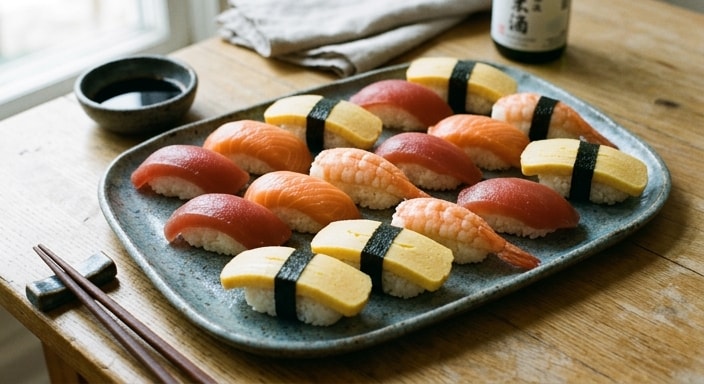
ซูชินิกิริรวม
บันทึกโดย @hokkaido | ผู้ใช้ 0 คนชอบอาหารนี้ | ผู้ใช้ 0 คนบันทึกอาหารนี้

ข้อมูลโภชนาการ

ต่อหนึ่งหน่วยบริโภค 330 กรัม

% มูลค่ารายวันอ้างอิงจากอาหาร 2000 kcal

แคลอรี 520 kcal
26% DV
ไขมันรวม 18.0g
28% DV
ไขมันไม่อิ่มตัวตำแหน่งเดียว8.6g
ไขมันไม่อิ่มตัวหลายตำแหน่ง4.2g
ไขมันอิ่มตัว3.8g
ไขมันทรานส์0.1g
คาร์โบไฮเดรตรวม 55.0g
18% DV
ใยอาหาร2.0g
แป้ง50.5g
น้ำตาล2.5g
โปรตีน 31.0g
62% DV
โปรตีนจากสัตว์31.0g

เกี่ยวกับ

ซูชินิกิริรวมที่มีข้าวซูชิเป็นหลัก จับคู่กับหน้าซีฟู้ดหลากชนิด ให้พลังงานปานกลาง โปรตีนค่อนข้างสูง คาร์โบไฮเดรตและไขมันในระดับปานกลาง โดยไขมันมาจากแซลมอนเป็นหลัก

ส่วนผสม

วิตามินและแร่ธาตุ

วิตามิน

สารอาหารปริมาณDV%ครึ่งชีวิต
ไบโอติน8.0mcg27%
โคลีน92.0mg17%
โฟเลต38.0mcg10%
ไนอะซิน8.4mg53%
กรดแพนโททีนิก1.6mg32%
วิตามินบี 20.2mg17%
วิตามินบี 10.1mg10%
วิตามินเอ95.0mcg11%
วิตามินบี 126.2mcg258%
วิตามินบี 60.8mg44%
วิตามินซี0.8mg1%
วิตามินดี8.5mcg43%
วิตามินอี2.1mg14%
วิตามินเค7.5mcg6%

แร่ธาตุ

สารอาหารปริมาณDV%ครึ่งชีวิต
แคลเซียม58.0mg6%
ทองแดง180.0mcg20%
ธาตุเหล็ก1.9mg11%
แมกนีเซียม48.0mg11%
ฟอสฟอรัส355.0mg51%
โพแทสเซียม520.0mg11%
ซีลีเนียม46.0mcg84%
โซเดียม640.0mg28%
สังกะสี2.3mg21%

ซูชินิกิริรวมมิตร

เกริ่นนำ


จานรวมนี้คือการศึกษาความงามแบบเรียบง่าย: ข้าวปรุงรส ปลาเนื้อสดสะอาด กุ้งเนื้อนุ่ม และทามาโกะเนื้อละเอียด โดยปั้นแต่ละชิ้นให้เผยเอกลักษณ์ของตัวเอง ความสมดุลขึ้นอยู่กับความแม่นยำของข้าว ความเที่ยงตรงของการแล่ และการจัดการอย่างนิ่งตลอดกระบวนการ ใช้โนริอย่างพอเหมาะเพื่อขับกรอบให้ชิ้นที่จัดทรงได้งดงามที่สุด และสร้างความตัดกันขั้นสุดท้ายให้กับจาน

ข้อมูลสำคัญของสูตร


  • หมวดหมู่อาหาร: จานรวมซูชิ

  • อาหารหรือแหล่งกำเนิด: ญี่ปุ่น

  • ประเภทคอร์ส: จานหลัก

  • ผลผลิต: 1 จาน

  • ขนาดเสิร์ฟ: 330 g

  • เวลาเตรียม: 35 นาที

  • เวลาปรุง: 25 นาที

  • เวลารวม: 60 นาที

  • ระดับความยาก: ขั้นสูง


  • อุปกรณ์


  • กระชอนตาถี่

  • หม้อขนาดกลางพร้อมฝาปิด

  • ชามผสมไม้หรือชามที่ไม่ทำปฏิกิริยากับอาหาร

  • พายข้าวหรือไม้พายแบน

  • หม้อขนาดเล็ก

  • กระทะเคลือบกันติด 20 cm

  • มีดสไลซ์คม

  • ชามน้ำใบเล็กสำหรับจับข้าว

  • ถาดหรือจานสำหรับประกอบ


  • ส่วนผสม


    ข้าวซูชิ


  • 180 g ข้าวซูชิ

  • 24 g น้ำส้มสายชูหมักจากข้าว

  • 8 g น้ำตาล

  • 4 g เกลือ


  • หน้าไนกิริ


  • 35 g ทูน่า ตัดแต่งและสไลซ์

  • 35 g แซลมอน ตัดแต่งและสไลซ์

  • 30 g กุ้ง ปอกเปลือกและปรุงสุก

  • 25 g ไข่ ตีให้เข้ากัน

  • 3 g โนริ ตัดเป็นเส้นแคบ


  • วิธีทำ


  • 1. ล้างข้าวซูชิด้วยน้ำเย็นจนกว่าน้ำจะเกือบใส สะเด็ดน้ำให้ดี จากนั้นหุงข้าวกับปริมาณน้ำที่เหมาะสมกับข้าว โดยปิดฝาไว้จนเมล็ดข้าวนุ่มแต่ยังเป็นตัว ใช้เวลาประมาณ 18 นาที ยกลงจากความร้อนแล้วพักไว้โดยปิดฝา 10 นาที


  • 2. ผสมน้ำส้มสายชูหมักจากข้าว น้ำตาล และเกลือในหม้อขนาดเล็ก อุ่นพอให้น้ำตาลและเกลือละลาย ห้ามปล่อยให้เดือด คลุกเครื่องปรุงนี้ลงในข้าวร้อนด้วยท่าตัดอย่างเบามือจนเมล็ดข้าวเงางามและมีรสทั่วกัน เกลี่ยข้าวพักสั้น ๆ เพื่อลดความร้อนส่วนเกิน ให้ข้าวนุ่มยืดหยุ่นโดยไม่แฉะ


  • 3. ปรุงไข่ในกระทะเคลือบกันติดที่อุ่นเพียงเล็กน้อยด้วยไฟอ่อน คนหรือพับตามความจำเป็นเพื่อให้ได้ทามาโกะที่นุ่มและเซ็ตตัว เนื้อสัมผัสควรยังนุ่มชุ่มชื้น ไม่เป็นสีน้ำตาล พักให้เย็นสนิท แล้วตัดเป็นชิ้นเรียบร้อยสำหรับทำนิกิริ


  • 4. สไลซ์ทูน่าและแซลมอนเป็นชิ้นเรียบสม่ำเสมอที่เหมาะสำหรับนิกิริ การแล่ต้องเด็ดขาดและลื่นไหล โดยไม่มีขอบรุ่ย หากกุ้งยังไม่ได้ปรุงสุก ให้ปรุงจนเนื้อทึบและแน่นพอดี จากนั้นพักให้เย็นและผ่าตามยาวเพื่อให้วางราบบนข้าวได้


  • 5. ใช้มือชุบน้ำหมาด ๆ ปั้นข้าวซูชิเป็นก้อนวงรีขนาดกะทัดรัด ก้อนละประมาณ 18 g ข้าวควรเกาะตัวกันโดยไม่ถูกอัดแน่น ต้องให้ความรู้สึกเบาแต่มั่นคง


  • 6. วางทูน่าหนึ่งชิ้นบนก้อนข้าวหนึ่งก้อน แล้วจัดทรงเบา ๆ ด้วยมือให้ปลาแนบไปกับข้าว ทำซ้ำกับแซลมอนและกุ้ง วางทามาโกะด้านบนแล้วคาดด้วยโนริเส้นแคบ โดยพันรอบข้าวอย่างเรียบร้อยหากจำเป็น ใช้โนริที่เหลือเก็บงานชิ้นที่ต้องพันโนริให้เป็นแถบที่สะอาดและตึงพอดี


  • 7. จัดเรียงนิกิริลงบนจานเป็นลำดับที่สมดุล สลับสีและเนื้อสัมผัสกัน ข้าวควรยังมองเห็นได้ หน้าควรอยู่กึ่งกลาง และแต่ละชิ้นต้องแยกเด่นชัด เสิร์ฟทันทีขณะที่ข้าวยังนุ่มยืดหยุ่นและปลายังคงเย็น


  • การจัดจานและการเสิร์ฟ


    วางนิกิริเป็นแนวตรงอย่างมีจังหวะ หรือเป็นแนวโค้งตื้น ๆ โดยกระจายชิ้นที่สีสดที่สุดให้ห่างกันอย่างสม่ำเสมอ องค์ประกอบโดยรวมควรให้ความรู้สึกเป็นระเบียบและสงบ โดยนำเสนอแต่ละคำขนาดพอดีคำอย่างสมบูรณ์และไม่แตกหัก

    หมายเหตุระดับมืออาชีพ


  • ต้องปรุงรสข้าวขณะที่ยังร้อนอยู่ เพราะนี่คือสิ่งที่ทำให้ข้าวมีความเงาและโครงสร้างที่ดี

  • จับปลาด้วยแรงกดให้น้อยที่สุด เพื่อให้ผิวหน้าสะอาดและคงเนื้อสัมผัสไว้

  • ควรใช้โนริเป็นเพียงลูกเล่นเสริม ไม่ใช่สิ่งปกคลุมทั้งหมด และต้องคงความแห้งกรอบเมื่อเสิร์ฟ
  • สมดุล
    ดาวน์โหลดบน App Store

    Feel Better.

    OKKAI engine computes your next meal.

    OKKAI dashboard
    Food detail
    OKKAI engine

    One photo.
    Full breakdown.

    Point your camera at any meal — restaurant dish, homemade food, snack, smoothie. OKKAI identifies what you're eating and returns a complete nutritional profile in seconds.

    • ·Calories, protein, carbs, and fat — instantly
    • ·20+ vitamins and minerals estimated per meal
    • ·Works on any meal, any cuisine, anywhere
    • ·Ingredient breakdown with adjustable portions
    • ·Recipe generation from any logged food
    Food nutrition detail

    See what people
    are actually eating.

    Every meal logged by OKKAI users — from Stockholm to Seoul.

    Loading meals…

    Built for people who take
    nutrition seriously.

    Feature screenshot
    The OKKAI engine

    Your body keeps score.

    OKKAI ingests your sleep, exercise, food, weight, age, location and weather data. It breaks food down to its smallest compounds, computes vitamin and mineral half-lives, and models your body's current state as accurately as possible from all available data.

    The OKKAI engine keeps track of what cannot be seen.

    Computed every hour.

    Your body is never static. Vitamins deplete, minerals interact, absorption rates shift with activity and time of day.

    The engine recomputes every hour in order to give a suggestion on what to eat and when.

    Deep Apple Health integration.

    OKKAI reads from and writes to Apple Health — bi-directionally. Every meal pushes macros, vitamins, and minerals into your health record. Every workout and sleep session flows back into OKKAI's analysis.

    Works with Apple Health
    Bi-directional sync
    Certified integration

    Reads from Health

    • Steps
    • Active calories
    • Workouts
    • Weight
    • Sleep hours
    • Resting heart rate

    Writes to Health

    • Dietary calories
    • Protein, carbs, fat
    • Fiber
    • All 13 vitamins
    • All 10 minerals
    Apple Health integration screen

    What people on Instagram say.

    Instagram review
    Instagram review

    Coming very soon.

    OKKAI is launching on iOS shortly. Sign up for the waiting list and be among the first to track nutrition the way it should be tracked.

    Download on the App Store

    Common questions.

    You take a photo of any meal. OKKAI's AI identifies the food, estimates the ingredients, calculates calories and macronutrients, and estimates 20+ vitamins and minerals — all within a few seconds. You can then adjust portions or add ingredients manually.
    Yes — OKKAI tracks 13 vitamins (A, C, D, E, K, B6, B12, folate, and more) and 10 minerals (calcium, iron, magnesium, zinc, potassium, and more). After logging enough meals, OKKAI provides an in-depth analysis of your body's nutrient stores and tells you exactly which foods to eat to fill the gaps.
    OKKAI supports 30+ protocols: daily time-restricted eating (12:12, 14:10, 16:8, 18:6, 20:4, OMAD), multi-day (5:2, alternate day fasting), extended fasts (24h, 36h, 48h, 72h, 96h), and religious fasts including Ramadan. You can also run a custom fast for any duration.
    Yes — deeply. OKKAI reads steps, active calories, workouts, weight, sleep, and resting heart rate from Apple Health. It also writes every meal's calories, macros, fiber, and all micronutrients back to your Health record so your full nutritional data lives in one place.
    OKKAI is free to download. Core features — food logging, calorie and macro tracking, fasting, weight tracking, and Apple Health sync — are free. Advanced AI analysis including the full micronutrient breakdown and personalized recommendations is available with OKKAI Premium.