

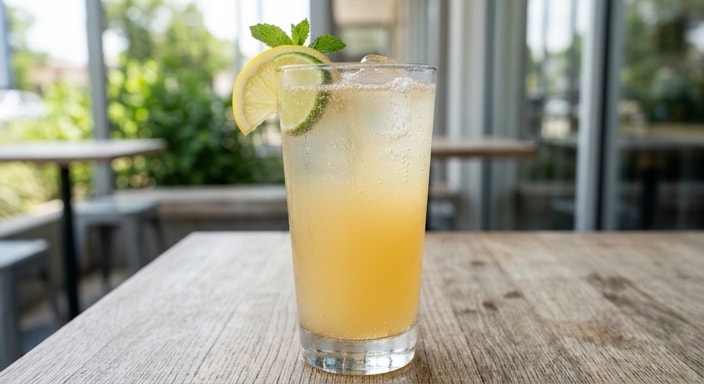
 Sparkling Citrus Energy Drink
Nutrition Facts
Per 473g serving
% Daily Value based on a 2000 kcal diet
Calories
10 kcal
1% DV
Total Fat
0.0g
0% DV
Total Carbohydrate
3.0g
1% DV
Starch3.0g
Protein
0.0g
0% DV
About
A large canned zero- or very low-calorie energy drink, primarily water with acids, flavorings, caffeine, sweeteners, and added B-vitamins. Macronutrients are minimal.
Ingredients
Vitamins & Minerals
Vitamins
| Nutrient | Amount | DV% | Half-life |
|---|---|---|---|
| Vitamin B1 | 1.2mg | 100% | |
| Vitamin B12 | 2.4mcg | 100% | |
| Vitamin B2 | 1.3mg | 100% | |
| Vitamin B3 | 16.0mg | 100% | |
| Vitamin B5 | 5.0mg | 100% | |
| Vitamin B6 | 1.7mg | 100% | |
| Vitamin B7 | 30.0mcg | 100% | |
| Vitamin B9 | 0.4mcg | 0% |
Minerals
| Nutrient | Amount | DV% | Half-life |
|---|---|---|---|
| Calcium | 10.0mg | 1% | |
| Potassium | 20.0mg | 0% | |
| Sodium | 180.0mg | 8% |
Sparkling Citrus Energy Drink
Headnote
This is a precise, highly carbonated energy drink with a clean citrus profile and a dry, brisk finish. The balance is built on acidity, sweetness, and bitterness held in exact proportion, so the drink reads as sharp rather than cloying. Serve it well chilled and undisturbed to preserve its lift and clarity.
Recipe essentials
Equipment
Ingredients
Base
Method
Plating and serving
Serve ice-cold in a narrow glass or directly from the can. The ideal pour is pale, clear, and highly effervescent, with a sharp aromatic rise and a clean finish.
Professional notes
KetoLow-carbVeganVegetarianGluten-freeDairy-free
More dishes from Sweden
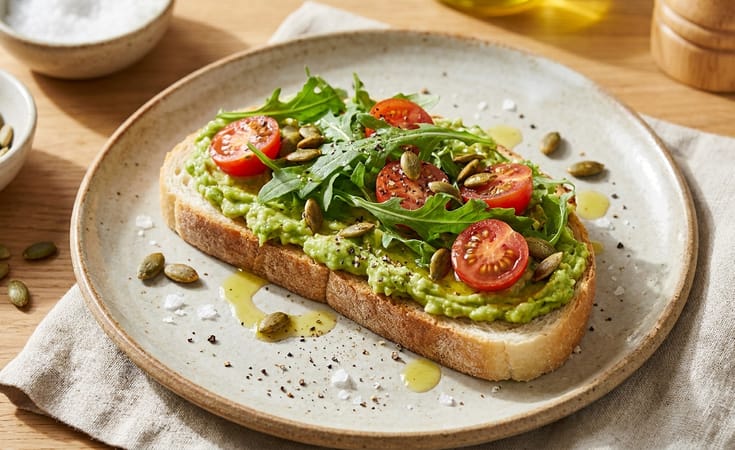
Avocado Toast
355 kcal
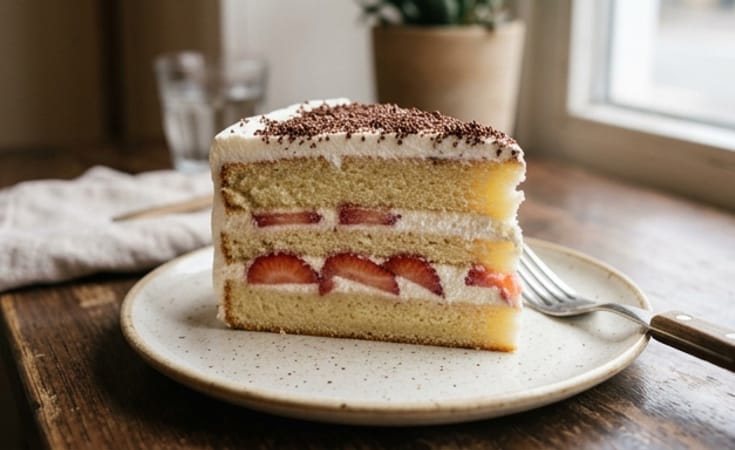
Vanilla Layer Cake with Strawberry, Whipped Cream, and Chocolate Sprinkles
372 kcal
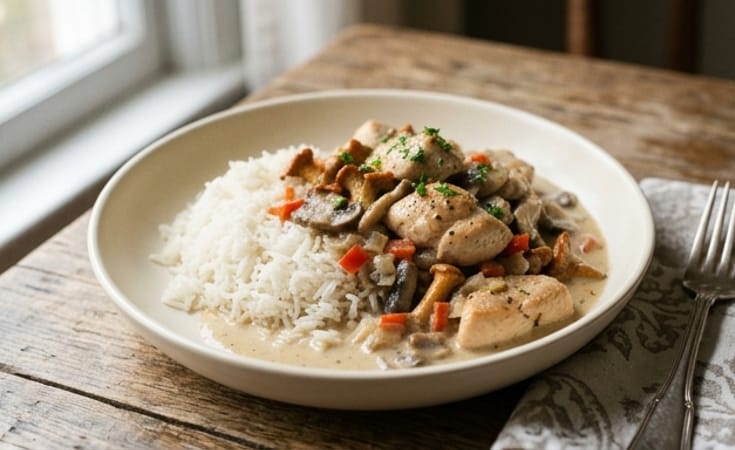
Chicken and Wild Mushroom Velouté with Basmati Rice
470 kcal
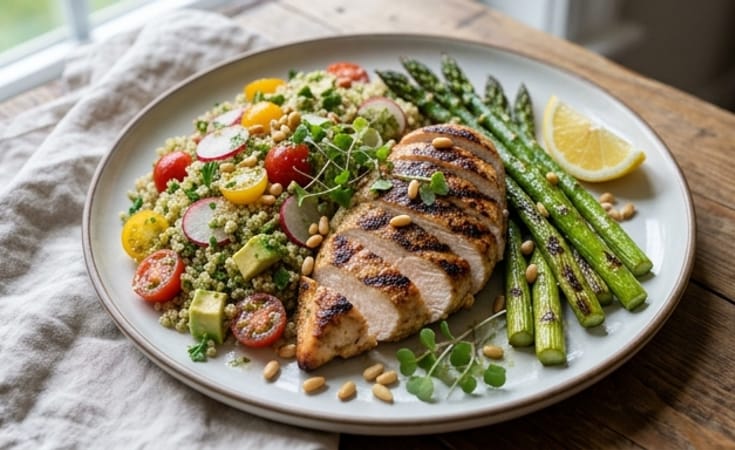
Grilled Chicken Breast with Quinoa, Asparagus, Basil Pesto, and Lemon
655 kcal
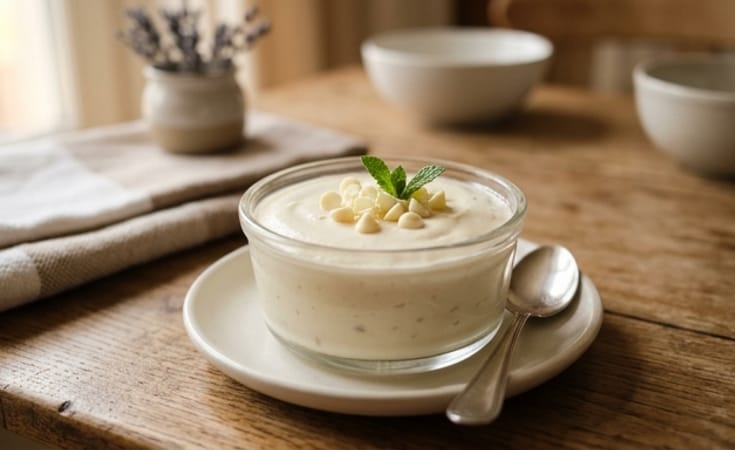
White Chocolate Chip Mousse
970 kcal
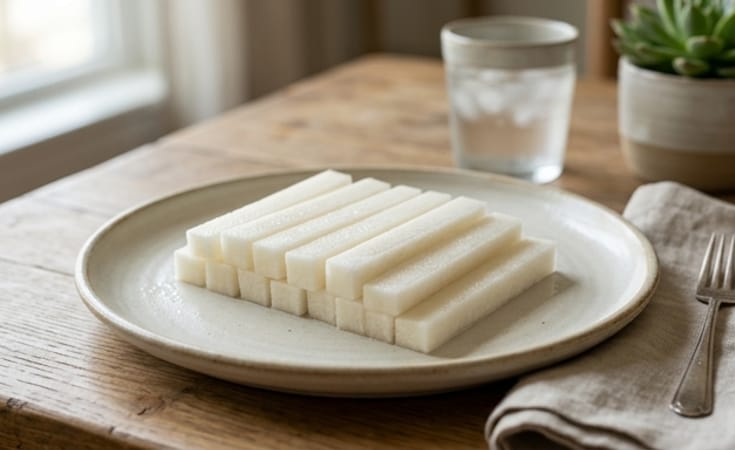
Chilled Jicama Sticks with Crisp Natural Sweetness
68 kcal