

 Barebells-Style Cocoa Protein Bar
Nutrition Facts
Per 55g serving
% Daily Value based on a 2000 kcal diet
Calories
200 kcal
10% DV
Total Fat
7.0g
11% DV
Monounsaturated Fat2.6g
Polyunsaturated Fat0.8g
Saturated Fat3.5g
Trans Fat0.1g
Total Carbohydrate
18.0g
6% DV
Fiber3.0g
Starch13.0g
Sugars2.0g
Protein
20.0g
40% DV
Animal Protein16.0g
Plant Protein4.0g
About
A high-protein Barebells bar, likely around 55 g, with moderate carbohydrates and fat and relatively low fiber.
Ingredients
Vitamins & Minerals
Vitamins
| Nutrient | Amount | DV% | Half-life |
|---|---|---|---|
| Choline | 18.0mg | 3% | |
| Vitamin A | 40.0mcg | 4% | |
| Vitamin B1 | 0.1mg | 4% | |
| Vitamin B12 | 0.3mcg | 13% | |
| Vitamin B2 | 0.2mg | 15% | |
| Vitamin B3 | 0.6mg | 4% | |
| Vitamin B5 | 0.4mg | 8% | |
| Vitamin B6 | 0.1mg | 3% | |
| Vitamin B7 | 1.5mcg | 5% | |
| Vitamin B9 | 8.0mcg | 2% | |
| Vitamin D | 0.5mcg | 3% | |
| Vitamin E | 0.4mg | 3% | |
| Vitamin K | 1.0mcg | 1% |
Minerals
| Nutrient | Amount | DV% | Half-life |
|---|---|---|---|
| Calcium | 140.0mg | 14% | |
| Copper | 90.0mcg | 10% | |
| Iron | 1.2mg | 7% | |
| Magnesium | 25.0mg | 6% | |
| Phosphorus | 120.0mg | 17% | |
| Potassium | 170.0mg | 4% | |
| Selenium | 6.0mcg | 11% | |
| Sodium | 180.0mg | 8% | |
| Zinc | 0.8mg | 7% |
Barebells-Style Cocoa Protein Bar
Headnote
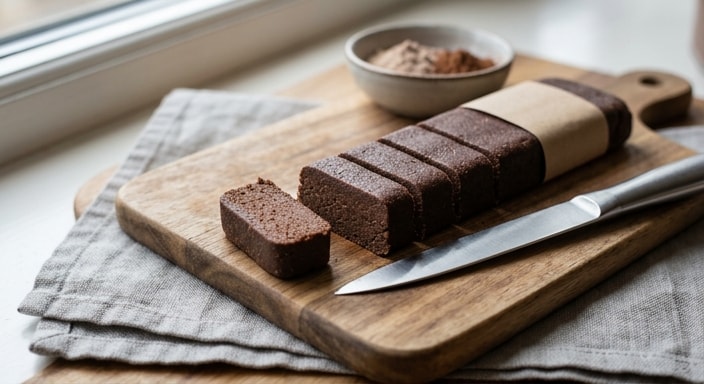
This bar is built for clean structure: a firm, tender protein matrix, a restrained cocoa depth, and a finish that remains smooth rather than brittle. It is designed to echo the character of a modern protein bar while preserving precision in texture and balance. The result should slice cleanly, hold its shape, and eat with a dense but not dry bite.
Recipe essentials
Equipment
Ingredients
Protein base
Fat and binding phase
Cocoa phase
Method
Plating and serving
Unmold the bar and place it on a narrow plate or wrap it simply for service. Present it whole for a clean, architectural look, or cut it into neat segments with a sharp knife. The surface should remain smooth, the edges defined, and the interior compact with a tender chew.
Professional notes
Gluten-freeBalanced
More dishes from Sweden
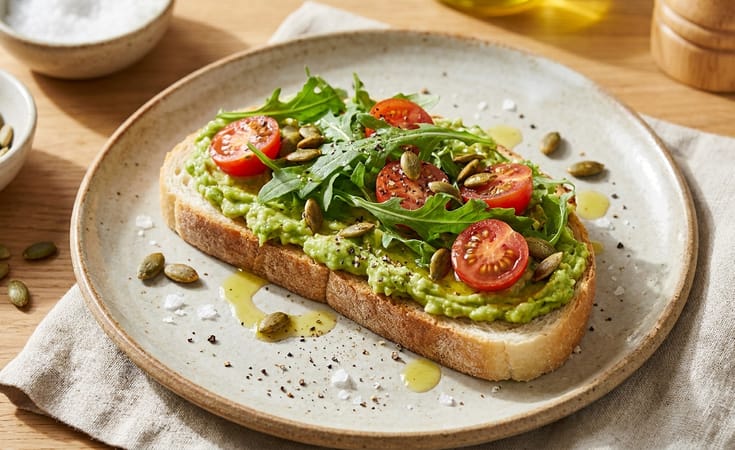
Avocado Toast
355 kcal
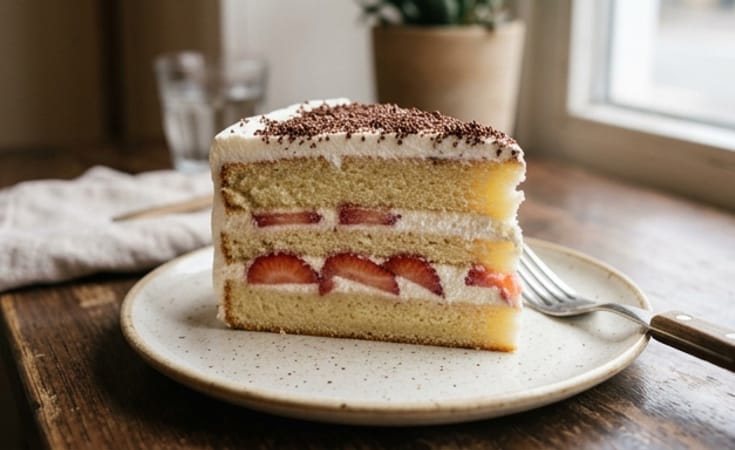
Vanilla Layer Cake with Strawberry, Whipped Cream, and Chocolate Sprinkles
372 kcal
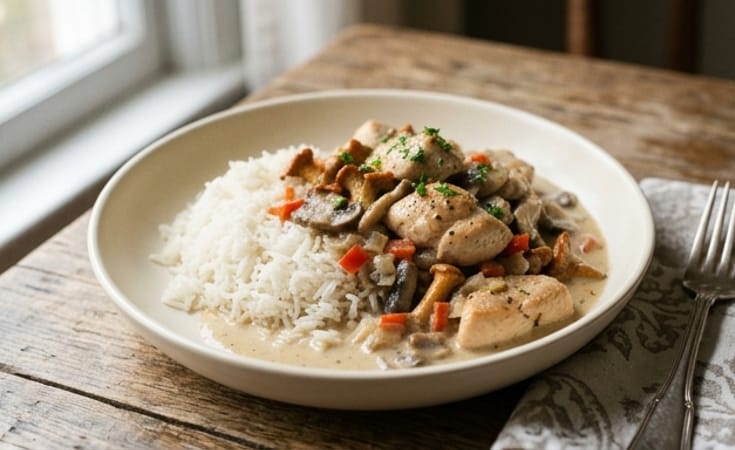
Chicken and Wild Mushroom Velouté with Basmati Rice
470 kcal
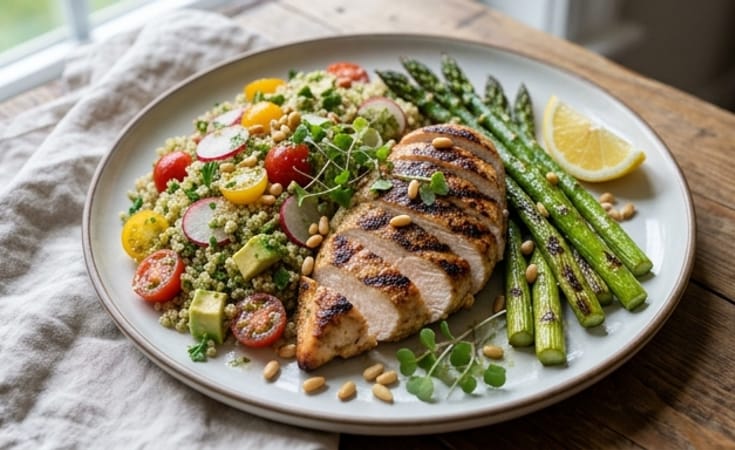
Grilled Chicken Breast with Quinoa, Asparagus, Basil Pesto, and Lemon
655 kcal
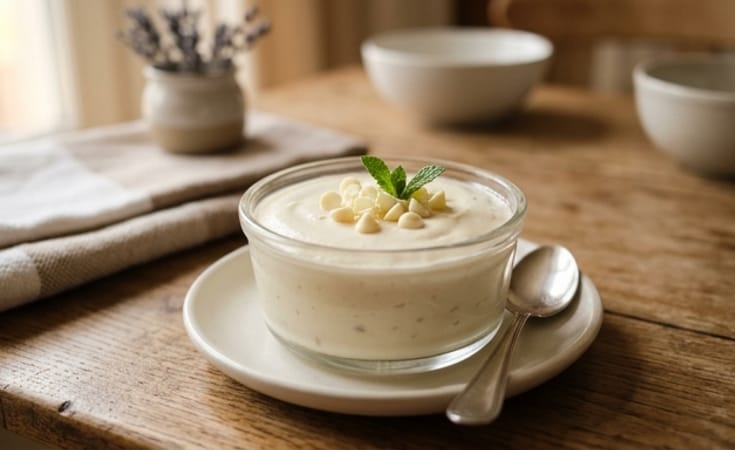
White Chocolate Chip Mousse
970 kcal
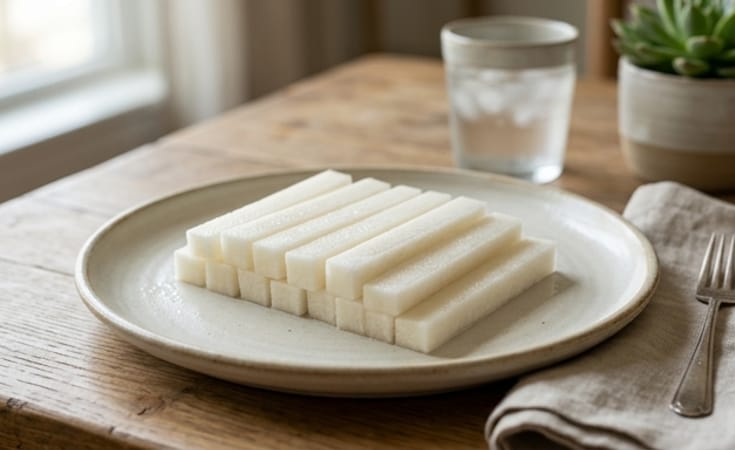
Chilled Jicama Sticks with Crisp Natural Sweetness
68 kcal