

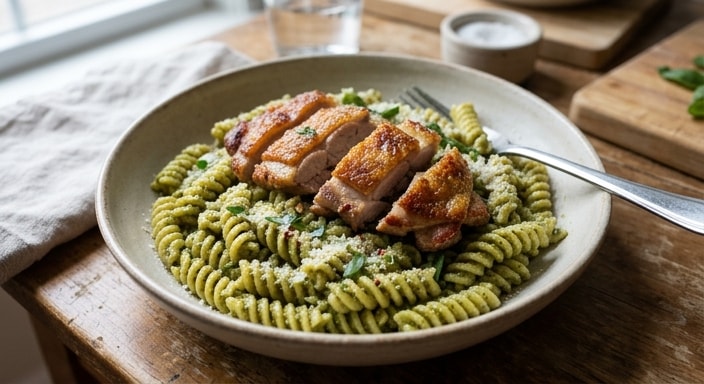
 Rotini with Basil Pesto and Crisp Roast Chicken Thigh
Logged by @johanmyren
Nutrition Facts
Per 430g serving
% Daily Value based on a 2000 kcal diet
Calories
540 kcal
27% DV
Total Fat
28.0g
43% DV
Monounsaturated Fat15.8g
Polyunsaturated Fat5.1g
Saturated Fat6.2g
Trans Fat0.1g
Total Carbohydrate
43.0g
14% DV
Fiber3.0g
Starch37.6g
Sugars2.4g
Protein
29.0g
58% DV
Animal Protein18.5g
Mixed / Processed Protein3.3g
Plant Protein7.2g
About
A large serving of rotini coated in pesto with a roasted chicken thigh. High in calories and fat, with moderate protein and substantial carbohydrates from the pasta.
Ingredients
- cooked rotini pasta
- roasted chicken thigh with skin
- basil pesto sauce
- olive oil
- parmesan cheese
Vitamins & Minerals
Vitamins
| Nutrient | Amount | DV% | Half-life |
|---|---|---|---|
| Choline | 85.0mg | 15% | |
| Vitamin A | 110.0mcg | 12% | |
| Vitamin B1 | 0.1mg | 10% | |
| Vitamin B12 | 0.5mcg | 21% | |
| Vitamin B2 | 0.2mg | 17% | |
| Vitamin B3 | 6.8mg | 43% | |
| Vitamin B5 | 1.4mg | 28% | |
| Vitamin B6 | 0.4mg | 25% | |
| Vitamin B7 | 4.0mcg | 13% | |
| Vitamin B9 | 28.0mcg | 7% | |
| Vitamin C | 1.5mg | 2% | |
| Vitamin D | 0.4mcg | 2% | |
| Vitamin E | 2.8mg | 19% | |
| Vitamin K | 18.0mcg | 15% |
Minerals
| Nutrient | Amount | DV% | Half-life |
|---|---|---|---|
| Calcium | 95.0mg | 10% | |
| Copper | 0.1mcg | 0% | |
| Iron | 1.8mg | 10% | |
| Magnesium | 32.0mg | 8% | |
| Phosphorus | 260.0mg | 37% | |
| Potassium | 290.0mg | 6% | |
| Selenium | 22.0mcg | 40% | |
| Sodium | 420.0mg | 18% | |
| Zinc | 2.4mg | 22% |
Rotini with Basil Pesto and Crisp Roast Chicken Thigh
Headnote
This is a study in contrast: supple pasta, vivid basil pesto, and chicken skin rendered to a clean, brittle crackle. The dish depends on restraint, not excess; each element must remain distinct while forming a single, coherent plate. When handled properly, it is direct, aromatic, and complete.
Recipe essentials
Equipment
Ingredients
Pasta and sauce
Chicken and finish
Method
Plating and serving
Compose the pasta in a neat central mound and place the chicken with intention, so the crisp skin remains visible. The finished plate should read as balanced and disciplined: glossy green pasta, bronzed chicken, and a light snowfall of parmesan.
Professional notes
Balanced
More dishes from Sweden
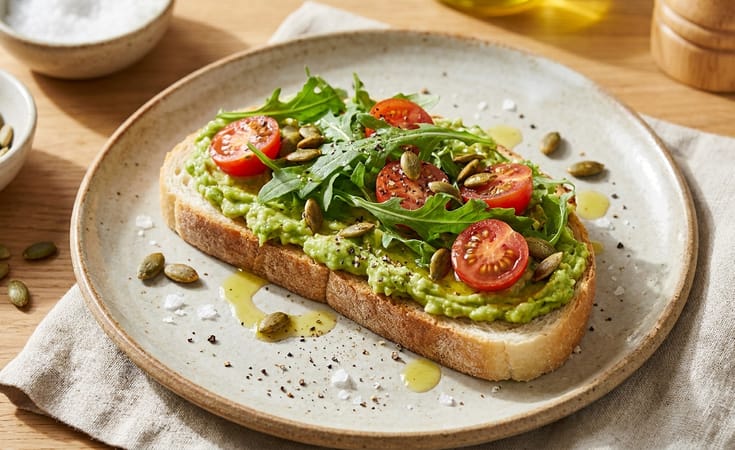
Avocado Toast
355 kcal
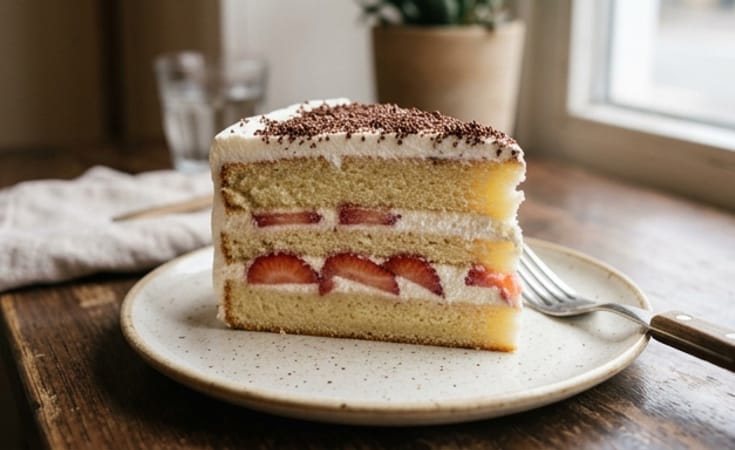
Vanilla Layer Cake with Strawberry, Whipped Cream, and Chocolate Sprinkles
372 kcal
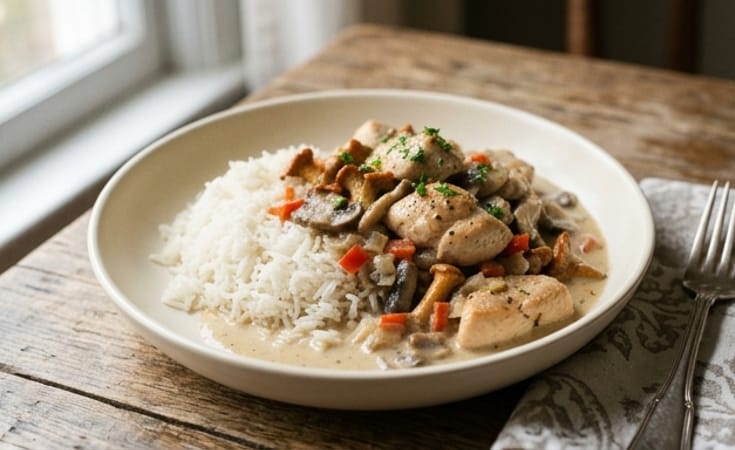
Chicken and Wild Mushroom Velouté with Basmati Rice
470 kcal
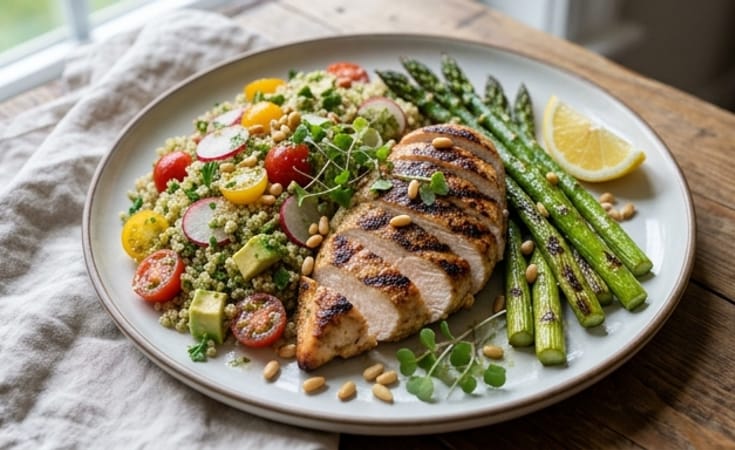
Grilled Chicken Breast with Quinoa, Asparagus, Basil Pesto, and Lemon
655 kcal
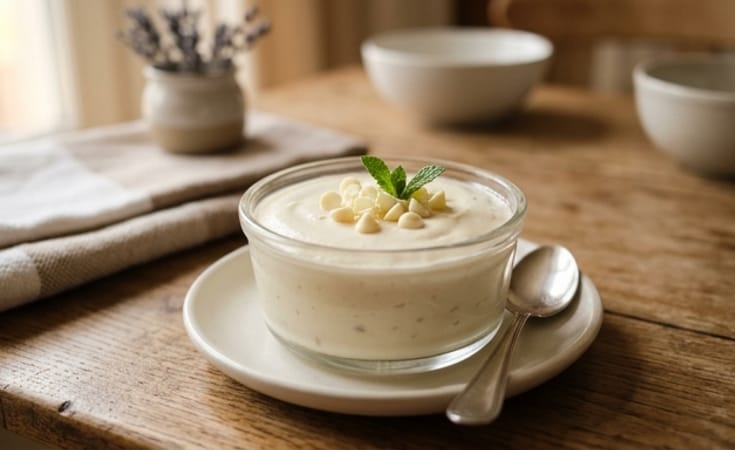
White Chocolate Chip Mousse
970 kcal
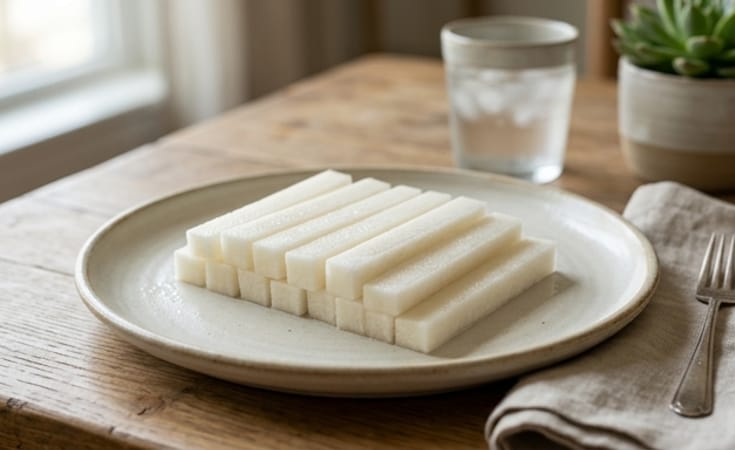
Chilled Jicama Sticks with Crisp Natural Sweetness
68 kcal