

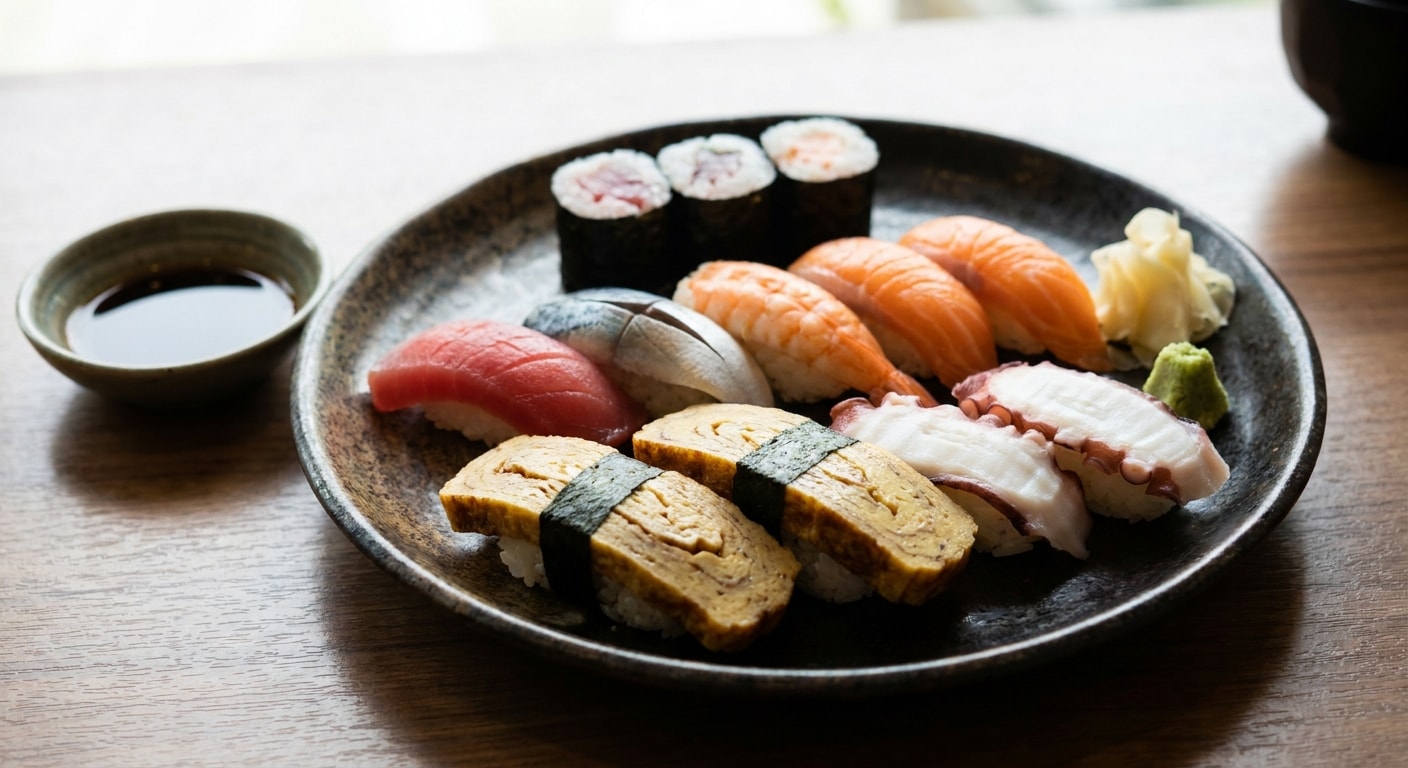
 Assorted Sushi Platter with Tamago
Nutrition Facts
Per 260g serving
% Daily Value based on a 2000 kcal diet
Calories
430 kcal
22% DV
Total Fat
15.0g
23% DV
Monounsaturated Fat7.0g
Polyunsaturated Fat4.1g
Saturated Fat3.2g
Trans Fat0.1g
Total Carbohydrate
46.0g
15% DV
Fiber1.5g
Starch38.0g
Sugars6.5g
Protein
24.0g
48% DV
Animal Protein24.0g
About
A moderate-portion assorted sushi selection with several pieces of nigiri and one tamago sushi. It is relatively high in protein, moderate in carbohydrates from seasoned sushi rice, and contains moderate fat primarily from oily fish.
Ingredients
Vitamins & Minerals
Vitamins
| Nutrient | Amount | DV% | Half-life |
|---|---|---|---|
| Choline | 78.0mg | 14% | |
| Vitamin A | 90.0mcg | 10% | |
| Vitamin B1 | 0.1mg | 10% | |
| Vitamin B12 | 7.2mcg | 300% | |
| Vitamin B2 | 0.3mg | 22% | |
| Vitamin B3 | 6.8mg | 43% | |
| Vitamin B5 | 1.1mg | 22% | |
| Vitamin B6 | 0.6mg | 32% | |
| Vitamin B7 | 10.0mcg | 33% | |
| Vitamin B9 | 32.0mcg | 8% | |
| Vitamin C | 1.5mg | 2% | |
| Vitamin D | 8.0mcg | 40% | |
| Vitamin E | 2.1mg | 14% | |
| Vitamin K | 6.0mcg | 5% |
Minerals
| Nutrient | Amount | DV% | Half-life |
|---|---|---|---|
| Calcium | 42.0mg | 4% | |
| Copper | 140.0mcg | 16% | |
| Iron | 1.6mg | 9% | |
| Magnesium | 38.0mg | 9% | |
| Phosphorus | 285.0mg | 41% | |
| Potassium | 410.0mg | 9% | |
| Selenium | 42.0mcg | 76% | |
| Sodium | 620.0mg | 27% | |
| Zinc | 1.8mg | 16% |
Assorted Sushi Platter with Tamago
Headnote
This platter is a study in precision: seasoned rice, clean knife work, and a disciplined balance of marine sweetness, richness, and saline depth. The tamago brings softness and gentle sweetness to the set, while the fish and shellfish offer contrast in texture and finish. Served correctly, it should read as composed, restrained, and impeccably fresh.
Recipe essentials
Equipment
Ingredients
Sushi rice
Sushi selection
Method
Plating and serving
Serve the sushi immediately at cool room temperature. Present the pieces in a measured sequence, alternating color and texture so the platter moves from delicate to rich and back again. The rice should remain compact, the fish pristine, and the tamago soft and even.
Professional notes
Balanced
More dishes from Sweden
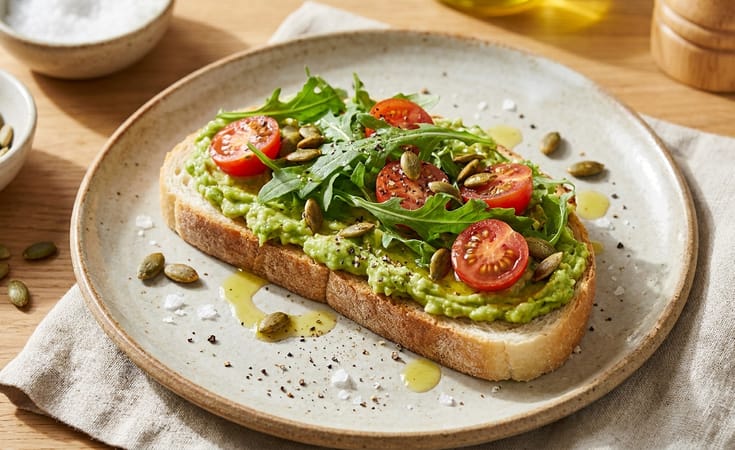
Avocado Toast
355 kcal
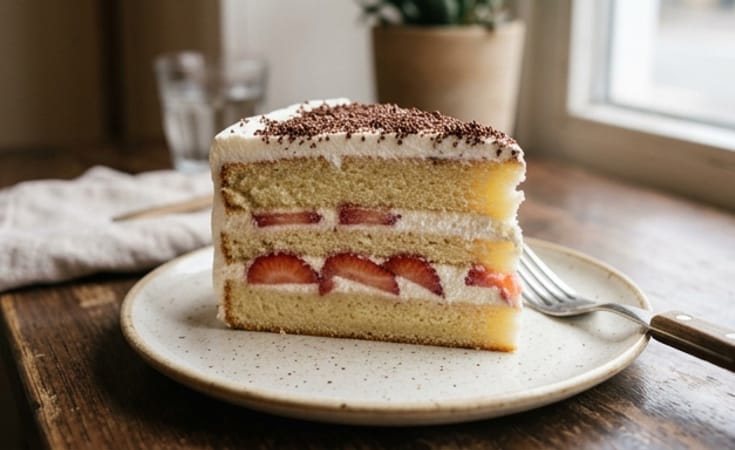
Vanilla Layer Cake with Strawberry, Whipped Cream, and Chocolate Sprinkles
372 kcal
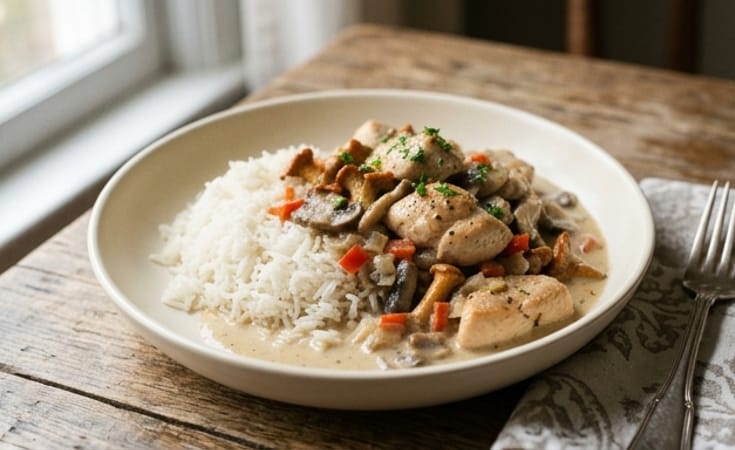
Chicken and Wild Mushroom Velouté with Basmati Rice
470 kcal
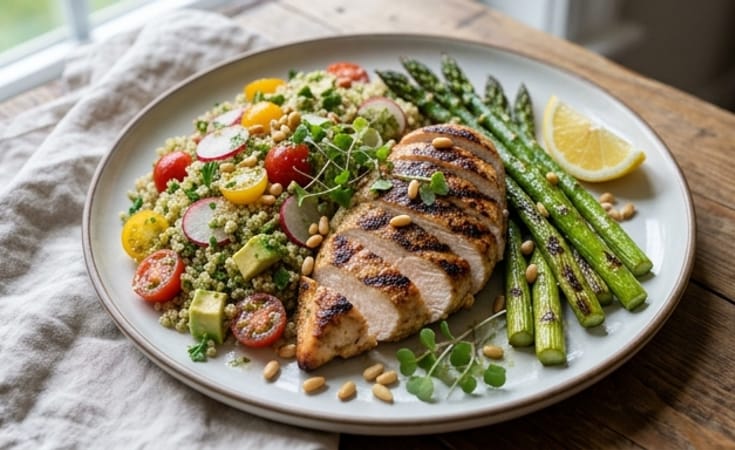
Grilled Chicken Breast with Quinoa, Asparagus, Basil Pesto, and Lemon
655 kcal
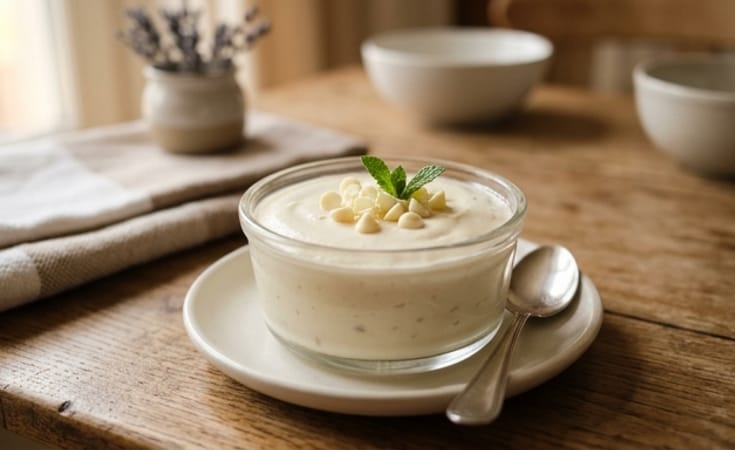
White Chocolate Chip Mousse
970 kcal
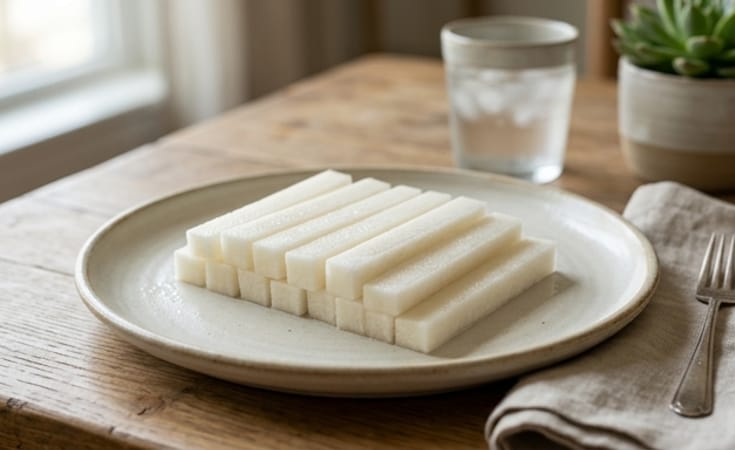
Chilled Jicama Sticks with Crisp Natural Sweetness
68 kcal